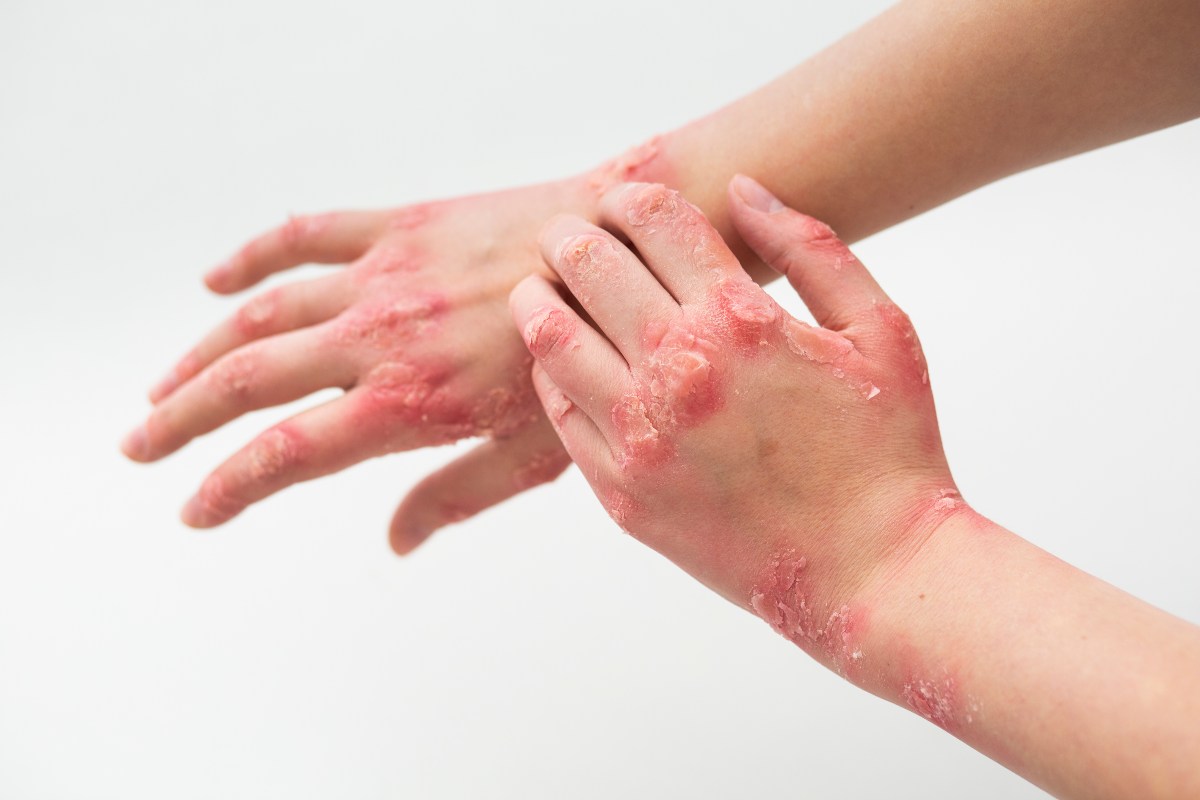
Eczema Care Guide: What Actually Works and How to Spot Products That Don’t
Eczema is one of those conditions almost everyone knows someone dealing with. The itching, the redness, the dry patches that flare up at the worst possible time. If you have searched for relief, you have probably run into dozens of products promising fast results, natural ingredients, and near miracle outcomes.
This guide takes a step back from the marketing noise. We will cover what eczema actually is, which ingredients have real evidence behind them, how to build a simple routine that works, and how to spot red flags in products that overpromise.
What Is Eczema, Exactly
Eczema, often called atopic dermatitis, is a chronic skin condition marked by dry, itchy, inflamed patches. It happens when the skin barrier does not hold moisture the way it should, letting irritants in and letting hydration out.
It is far more common than most people realize. Atopic dermatitis affects up to 20 percent of children worldwide, and roughly 31.6 million people in the United States live with some form of the condition. About one in ten people will develop eczema at some point in their life, and the lifetime prevalence globally sits close to 9.9 percent.
The condition also carries a real financial and emotional cost. In the United States alone, the annual economic burden of atopic dermatitis is estimated at 5.3 billion dollars, and patients report losing close to two work days a year due to flare ups. Eczema is not just a minor skin annoyance. It is a widespread, costly, and often frustrating health condition.
Ingredients With Real Evidence Behind Them
Not every eczema product on the market is backed by solid research, but a handful of ingredients consistently show up in dermatology guidance.
- Ceramides, which help restore and strengthen the skin’s natural barrier
- Colloidal oatmeal, shown to calm itching and reduce inflammation in clinical settings
- Petrolatum based moisturizers, simple but effective at locking in hydration
- Niacinamide, which supports barrier repair and reduces redness
- Topical corticosteroids, prescribed for flare ups under a doctor’s guidance
These ingredients show up again and again in dermatology recommendations because they address the root issue, a damaged skin barrier that cannot hold onto moisture.
Building a Simple, Effective Routine
A good eczema routine does not need to be complicated. In fact, simpler is usually better.
- Use a fragrance free, gentle cleanser instead of harsh soaps
- Moisturize within a few minutes of bathing to lock in hydration
- Apply moisturizer at least twice a day, even when skin looks clear
- Identify and avoid personal triggers, such as certain fabrics or stress
- Talk to a dermatologist before starting any new active ingredient
Consistency tends to matter more than any single product. Skipping days or switching products too often can undo progress that took weeks to build.
How to Evaluate an Eczema Product Before You Buy
The eczema product market is full of small brands making big claims. Before trusting a product, it helps to look for a few warning signs.
| Red Flag | Why It Matters | What To Look For Instead |
| Vague claims of a “clinical study” with no citation | Cannot be verified or checked | A named study, journal, or sample size |
| Specific efficacy percentages with no source | Often invented for marketing | Data from peer reviewed research |
| Claims of FDA approval for a cosmetic or supplement | Cosmetics and supplements are not FDA approved in that sense | Products cleared through proper regulatory channels |
| Testimonials with first names only | Cannot be verified as real customers | Reviews on independent, verifiable platforms |
| Promises of a complete cure in days | Eczema is chronic and cannot be cured this quickly | Realistic language about symptom management |
This table is a useful checklist any time you are comparing eczema products, whether online or in store.
Why Marketing Claims Can Be Misleading
Eczema is uncomfortable enough that people are often willing to try anything for relief, and some companies take advantage of that. A few patterns are worth watching for.
- Websites that feature only positive, unverifiable testimonials
- Product pages that avoid naming actual clinical trials or institutions
- Marketing language that mixes real ingredients, like aloe vera or shea butter, with unproven overall claims
- Pressure tactics, like limited time offers or countdown timers, on a health product
- No mention of consulting a dermatologist anywhere on the site
None of this means every natural product is a scam. Ingredients like aloe vera and shea butter genuinely help with hydration and comfort. The issue comes when a brand builds its entire pitch around invented statistics and stories rather than transparent evidence.
When to See a Dermatologist
Home care handles many mild cases, but some situations call for professional help.
- Flare ups that do not improve after a few weeks of consistent care
- Signs of infection, such as oozing, swelling, or fever
- Eczema that disrupts sleep or daily activities on a regular basis
- Symptoms that spread to new areas of the body quickly
- A need for prescription strength treatment beyond over the counter options
A dermatologist can also run patch testing to identify specific triggers, something no over the counter product can replicate.

Frequently Asked Questions
Can eczema be cured completely?
No. Eczema is a chronic condition that can be managed effectively, but there is currently no permanent cure. Be cautious of any product claiming otherwise.
Are natural ingredients always safer for eczema?
Not necessarily. Natural ingredients can still cause irritation or allergic reactions in sensitive skin. What matters most is how well an ingredient is tolerated by your specific skin, not whether it is labeled natural.
How long does it take to see results from a new eczema product?
Most dermatologists suggest giving a new product four to six weeks of consistent use before judging its effectiveness, since skin barrier repair takes time.
Is it normal for eczema to come and go?
Yes. Eczema often flares and calms in cycles, influenced by weather, stress, and other triggers. This pattern is expected and does not mean a treatment has failed.
Should I stop using steroid creams because of side effect concerns?
Not without talking to a doctor first. Topical corticosteroids are effective and safe when used correctly under medical guidance. Stopping suddenly can sometimes make flare ups worse.
Conclusion
Eczema affects a huge number of people worldwide, and the frustration of dealing with it makes the promise of a quick fix very appealing. But the products that actually help tend to rely on well studied ingredients like ceramides, colloidal oatmeal, and proper moisturizers, not dramatic marketing claims or unverifiable testimonials.
The best approach combines a simple, consistent skincare routine with professional guidance when symptoms do not improve. Before trusting any new eczema product, take a moment to check its claims against real evidence. Your skin, and your wallet, will thank you for it.